
WARNING: SPOILERS AHEAD.
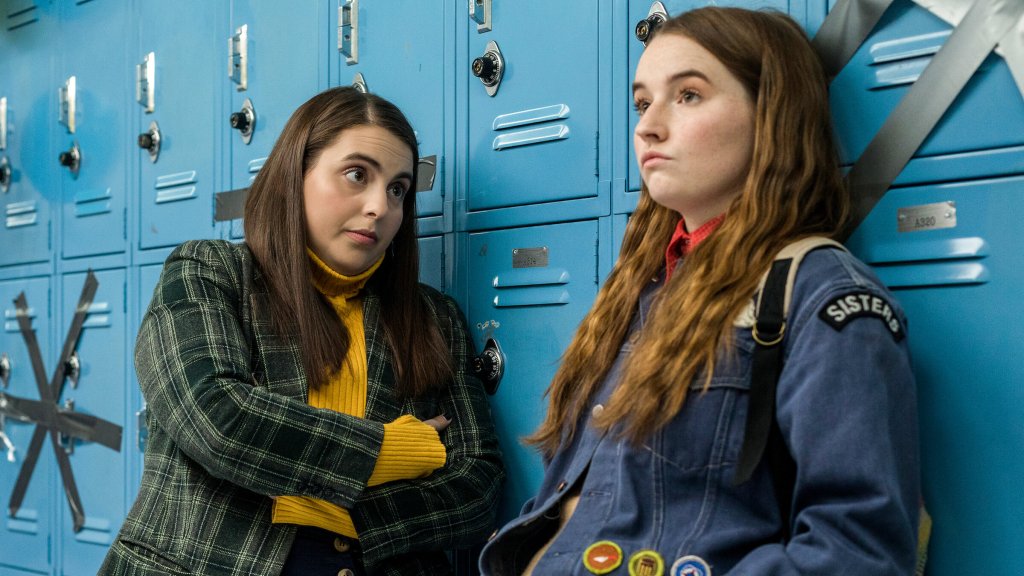
Comparing Booksmart to the likes of The Edge of Seventeen or Lady Bird feels a bit shallow to me. After all, the movie makes it very clear from the get-go what type of movie it’s aiming to be: a loud, quirky, and high-energy comedy that prioritizes being funny more than being realistic. Just expecting Molly and Amy to have the same nuanced journey Nadine had in The Edge of Seventeen feels comedic in hindsight, given that the majority of Booksmart takes place over the course of one night.
Still, given all its glowing reviews, I was expecting this film to say a bit more than just “Don’t forget to have fun!” and “Don’t judge a book by its cover!” These are platitudes they sell refrigerator magnets of, and I don’t even think Booksmart itself fully believes in them.
Its definition of fun, for instance, seems to be limited to just beer pong, swimming in your underwear, and getting arrested. Its entire premise hinges on the idea that Molly and Amy don’t know how to have fun, but this simply isn’t true, as Molly and Amy begin the movie by dancing together, Molly mentions she and Amy having multiple sleepovers, the two do the crossword with their teacher, and the duo’s easy rapport and vulgar conversations clearly indicate several treasured moments with each other.
(That, and they literally have a memory box they never actually open because the party gets in the way. Surely, that box must have had pictures of one or two fun moments in there.)
None of this matters, though, because it’s not the right kind of fun. You know, socially approved fun. In their journey to get to Nick’s party, the two girls come across a murder mystery party that the film never highlights as any shade of fun, even if I can totally see either girl getting into solving a mystery. The hosts of the murder mystery party even show up at Nick’s party later in the film, as if the alcohol-heavy rich-dude house party is a universal pastime that even the nerdiest of teens can gleefully indulge in.
Never mind that peer pressure with underage drinking is a real thing, or that delinquent behavior is often used as a means for insecure teens to fit in and impress their friends. Also, never mind that nothing about Molly or Amy ever indicated that they would enjoy that type of scene, and that they initially only wanted to go so they could prove their class wrong that they’re boring. “They need to know [we’re fun],” Molly says, to which Amy replies, “Who’s they?”

Indeed, who is they, and why do Molly and Amy need to prove them wrong so much? The movie never really has an answer. This could’ve been a great set-up for Amy and Molly realizing that they never needed to impress anyone, and that they love themselves and each other for exactly who they are.
Instead, the movie ends with it rewarding the two girls for their crazy, wild night. At graduation, their whole class ends up cheering when Amy gets out of jail and makes it to the ceremony, and the crowd cheers even more when Molly and Jared make out in front of everyone before she makes her speech. Was every student at Nick’s party the previous night? Why do so many of them seem to care about Molly and Jared’s sudden romance?
“You’re all pretty great,” Molly says in her valedictorian speech, to the class that not only gossips about her in the gender-neutral bathroom, but also films her when she’s having a fight with her best friend. Where most teen films preach about the importance of being an individual, Booksmart seemingly encourages its central duo to revel in conformity and external validation, even when they have no real reason to.
Of course, I say seemingly because Molly and Amy’s quest for a wild night is less a set-up for the girls to grow and change, and more a set-up for wacky hijinks and comedic moments. Again, Booksmart’s top priority is making you guffaw, and whatever message it ends up having feels purely incidental. When faced with the decision to have a plot point serve its message or serve its comedy, the movie almost always chooses the latter, even if it contradicts the messages it tries to preach.
Everyone is complex and multifaceted, this movie preaches, except, of course, for the gay theater actors who only ever act theatrical and flamboyant, the principal who’s a big loser who can’t write, and Ms. Fine, who’s an even bigger loser who hooks up with 20-year-old students.
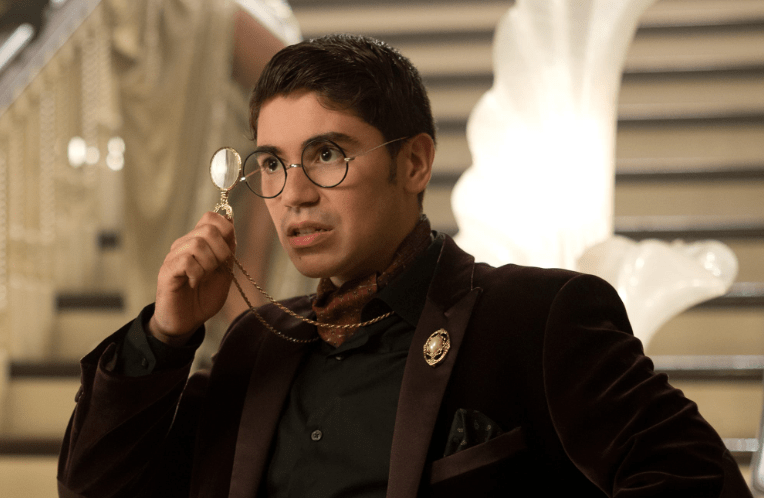
The movie even forgets its own premise when it’s revealed Molly has a crush on Nick, the guy who’s hosting the party. When they get to the party, it’s surprisingly tame, despite all the social media videos the girls were seeing throughout the movie. Nothing crazy actually happens when they’re there, and all Molly and Amy seem to care about are getting with their respective crushes.
But wait, wasn’t the whole point to prove to their classmates how they’re both smart and fun? Why is it all about Nick and Ryan now? Even worse, when the two eventually (and individually) find out that both their crushes are hooking up with each other, they’re rightfully heartbroken but get over it right away because the movie gives them consolation boyfriends and girlfriends.
Nick and Ryan become non-characters who don’t even worry about Amy or Molly, despite being so nice to them when they first entered the party. People have lives of their own and exist outside of your perception, this film says, unless your purpose to the plot is over or you’re a means to an incredibly shallow happy ending.
It might’ve been refreshing to see Molly and Amy stay friends with their once-crushes, showcasing that people not turning out the way you want them to be need not be a bad thing, but no. Instead, they get underdeveloped romantic interests right after finding out their crushes aren’t single and also having a big fight with their best friend, because that’s a healthy foundation for a romantic relationship. Getting together when you’re at your emotional worst.

All of this wouldn’t be so terrible, though, if the movie were at least a great comedy. Unfortunately, Booksmart is more obnoxious than it is hilarious, and the more it goes on, the less funny it gets. I’d be lying if I said this movie didn’t make me cackle a few times, but the ratio of jokes that worked to jokes that didn’t was far too uneven.
The timeline of the movie was also pretty strange to me, and I found myself questioning if all of this could’ve really taken place over the course of one night, especially with graduation the very next morning.
Ultimately, Booksmart presents itself as a mostly pointless film, one that’s a clear product of a long shelf life and multiple rewrites. I say all of this, of course, with the knowledge that the film has a 96% approval rating on Rotten Tomatoes and is often regarded as one of the best teen movies of the 2010s, so the rest of the world obviously sees something in this film that I don’t.
For my time, though, I’d rather just rewatch Banana Split again, which I felt like had far more to say about friendship than this film did, or The Edge of Seventeen, which did the whole “see outside yourself” message far more successfully.





 Time Machine Geek
Leave a comment